Add your promotional text...

The Ultimate Beginner's Guide to Journaling: Start Your Writing Journey Today
2/8/20255 min read


Getting Started with Journaling
Beginning your journaling journey can be an enriching experience, as it offers a valuable avenue for self-reflection and creativity. One of the first steps is selecting the type of journal that suits your preferences and objectives. Options range from traditional blank notebooks, which provide a free-form writing space, to guided journals that offer prompts and structure, making it easier to organize thoughts. Digital journaling applications also provide an alternative, enabling you to write on-the-go and incorporate multimedia elements. Each type has its advantages, so consider what resonates most with your personal style.
When deciding on a journal, it's crucial to evaluate your comfort with physical versus digital formats. If you find solace in the tactile experience of putting pen to paper, a blank notebook may enhance your creativity. Conversely, if you favor convenience and flexibility, a digital journaling app might be more suitable. Remember, the goal is to choose a journal that addresses your needs and encourages regular writing.
Creating an effective writing environment is equally important. A dedicated space free from distractions can foster a mood conducive to reflection and expression. Whether it's a cozy corner of your home or a spot in a nearby park, ensure that the area is inviting and personal, filled with items that inspire you, such as quotes, art, or mementos.
Additionally, setting aside dedicated time for journaling reinforces the habit. Consider starting with just five to ten minutes daily, gradually increasing as you become more comfortable. The key is consistency; treating journaling as a regular appointment can help you integrate it seamlessly into your routine. By establishing a suitable environment and timeframe, you pave the way for a fulfilling and rewarding journaling experience.
The Benefits of Journaling
Journaling presents a myriad of benefits that can significantly enhance one's mental and emotional well-being. One of the most profound advantages of maintaining a journal is its capacity to reduce symptoms of anxiety and depression. Engaging in regular writing offers a safe space for individuals to express their thoughts and feelings, enabling them to process emotions more effectively. Research indicates that this reflective practice can lead to decreased levels of stress and an overall improvement in mood, helping individuals navigate life's challenges with greater ease.
In addition to mental health improvements, journaling serves as a powerful tool for fostering creativity. By providing a platform for free expression, individuals can explore their thoughts, ideas, and inspirations without judgment. This unstructured approach to writing often leads to new insights and innovative solutions, as people are more likely to take risks and think outside the box when they write. Many artists, writers, and thinkers have credited their success to the habit of journaling, claiming it nurtures their creative instincts and enhances their problem-solving abilities.
Furthermore, journaling promotes self-reflection and personal growth. By regularly documenting thoughts, experiences, and feelings, individuals can gain valuable insights into their behaviors and patterns. This practice of introspection encourages goal-setting and helps track progress over time. Many find that journaling allows them to clarify their aspirations, celebrate achievements, and identify areas for improvement. For example, by reflecting on past experiences, individuals can better understand their motivations and learn from their successes and failures.
Lastly, maintaining a journal is an excellent way to document life's journey and preserve memories. Whether recording daily events, milestones, or significant life changes, journals serve as personal artifacts that can be cherished for years to come. Many individuals share testimonials about how their journals have become treasured keepsakes, allowing them to revisit fond memories and lessons learned throughout their lives. The combination of mental, emotional, and practical benefits makes journaling an invaluable practice for personal growth and development.
Building Consistency in Your Journaling Practice
Establishing consistency in your journaling practice is crucial for reaping the full range of benefits that writing offers. Regular journaling can improve mental clarity, enhance creativity, and foster emotional well-being. To maximize these benefits, it is important to develop a routine that works for you. Setting specific daily or weekly journaling goals can be a practical starting point. Aim to write for a prescribed amount of time or to fill a certain number of pages. By creating quantifiable targets, you can track your progress and make journaling an integral part of your day.
Another effective strategy to maintain consistency is utilizing prompts. Writing prompts can spark creativity and counteract the dreaded writer's block. They provide focused themes or questions that guide your writing session, making it easier to express thoughts and feelings. These prompts can derive from personal experiences, abstract ideas, or specific challenges you wish to explore. By incorporating varied prompts into your journaling sessions, you can keep the practice fresh and engaging, ensuring you look forward to writing rather than viewing it as a chore.
Accountability also plays a significant role in establishing a regular journaling routine. Joining journaling groups or finding a writing partner can provide motivation and encouragement. Whether in-person or virtual, these communities offer support and inspiration, creating a shared commitment among participants. You can exchange insights, share experiences, or even challenge each other to achieve set goals, thus reinforcing your dedication to journaling.
Nevertheless, barriers may arise that hinder consistency. Common obstacles include time constraints, distractions, or a lack of inspiration. To combat these challenges, schedule designated journaling times in your calendar, eliminate disruptions during your writing sessions, and have a collection of prompts ready for those uninspired days. By taking actionable steps to address these barriers, you can foster a consistent journaling practice that contributes significantly to your personal growth and self-reflection.
Tips and Techniques for Effective Journaling
To elevate your journaling experience, several tips and techniques can be employed, each catering to diverse writing preferences and goals. One popular method is the stream of consciousness writing style, which encourages the uninhibited flow of thoughts onto the page. This technique allows for self-discovery and a deeper understanding of one’s feelings and ideas without the constraints of grammar or structure. Conversely, for those who prefer a more organized approach, bullet journaling organizes thoughts and tasks visually, combining elements of planning, note-taking, and reflection in a single format.
Additionally, overcoming writer’s block is crucial for maintaining a regular journaling habit. A helpful strategy is setting aside a specific time each day dedicated solely to writing. By establishing a routine, your mind may become more conditioned to generate ideas consistently. If inspiration fails to strike, consider using prompts or writing about everyday experiences, as this can reignite your creative spark. Even the simple act of jotting down lists or goals can serve as a beneficial starting point.
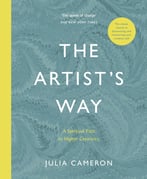
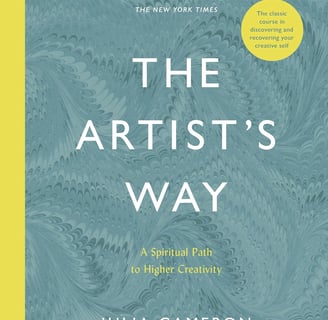
Personalizing your journal is another effective technique that can enhance your writing journey. Incorporating doodles, affirmations, or inspiring quotes can transform your journal into a uniquely motivating space. Visual elements can make the process more enjoyable and create a personal connection to your entries. Furthermore, utilizing various journaling apps can help track your progress, offer writing prompts, and connect with other journaling enthusiasts. Books such as "The Artist's Way" by Julia Cameron and numerous online communities provide valuable insights and support to both new and seasoned journalers.
The Artist's Way - Julia Cameron
Experimenting with these diverse writing styles and tools can significantly enrich your journaling practice, paving the way for a fulfilling and rewarding journey into self-expression and reflection.
Here my favourite journal for beginners (yes, I'm still an old-style paper lover😌)
The Five-minute Journal - https://amzn.to/3WRCVTm